
Cregan Stark’s Intervention
Fire & BloodThis thread follows Cregan Stark’s arrival in the south, his pursuit of justice, and his short, forceful exercise of royal authority.
increasing Bearing strength in each event
 decreasing
Bearing strength in each eventdecreasingA Northern Promise

The Pact of Ice and Fire
A Political Agreement
Cregan Stark agrees to support Rhaenyra in return for a future marriage alliance between their houses.
A Promise Beyond the War
The agreement outlives both Jacaerys and Rhaenyra. Cregan remembers the pledge and eventually marches south to fulfill it.
The North Marches South
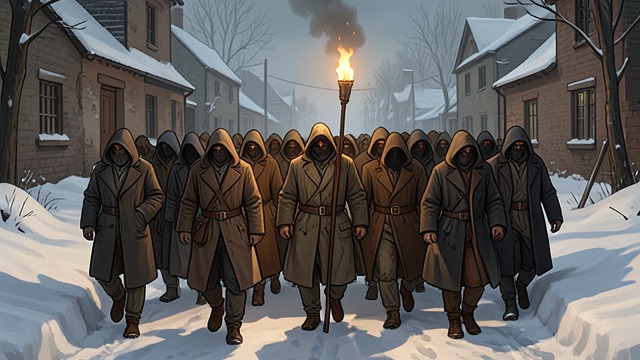
A Host of Winter
A Costly March
Cregan brings a large northern host south, composed in part of men unlikely to survive the return journey through winter.
Arrival After Victory
He reaches King’s Landing after the principal claimants are dead. His arrival shifts the postwar question from victory to justice.
The Judgment of the Wolf
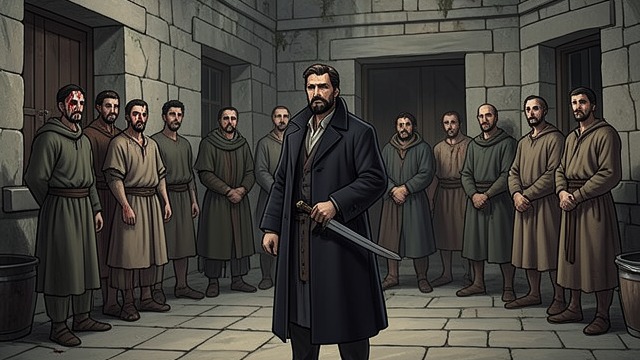
Justice for Regicide
An Investigation
Cregan investigates the poisoning of Aegon II and condemns those he believes responsible, including Corlys Velaryon and Larys Strong.
Mercy at the Last Moment
Most condemned prisoners take the black instead of dying. Cregan preserves the principle that the judge must wield the sword, but does not execute every accused man.
Aly’s Bargain

A Marriage Changes Judgment
Alysanne’s Plea
Alysanne Blackwood asks Cregan to spare Corlys Velaryon, arguing that peace and the new king’s honor require mercy.
A Personal Promise
Cregan accepts her request in exchange for marriage. The bargain turns political clemency into a personal commitment.
The Wolf Returns North
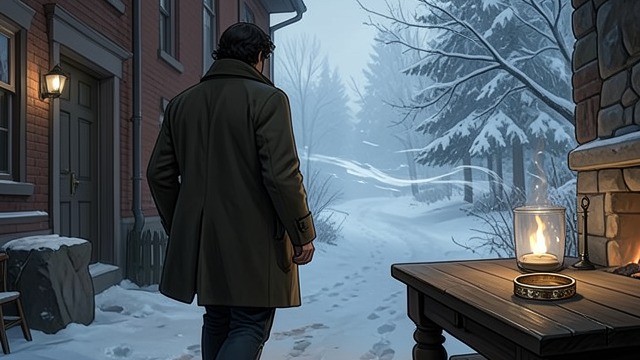
A Short Regency
Power Relinquished
Cregan steps down as Hand soon after the postwar settlement. He declines to remain in a southern court he does not trust.
A New Life in Winterfell
He returns north and marries Black Aly. His intervention changes the immediate court without becoming a lasting claim to rule the realm.
129 AC, during Jacaerys’s mission
130–131 AC, as the Dance nears its end
131 AC, during the Hour of the Wolf
131 AC, before the planned executions
131–132 AC, after the coronation
